How to Plan High-Protein Meals for the Week
A practical framework for hitting your protein target without overcomplicating every meal.
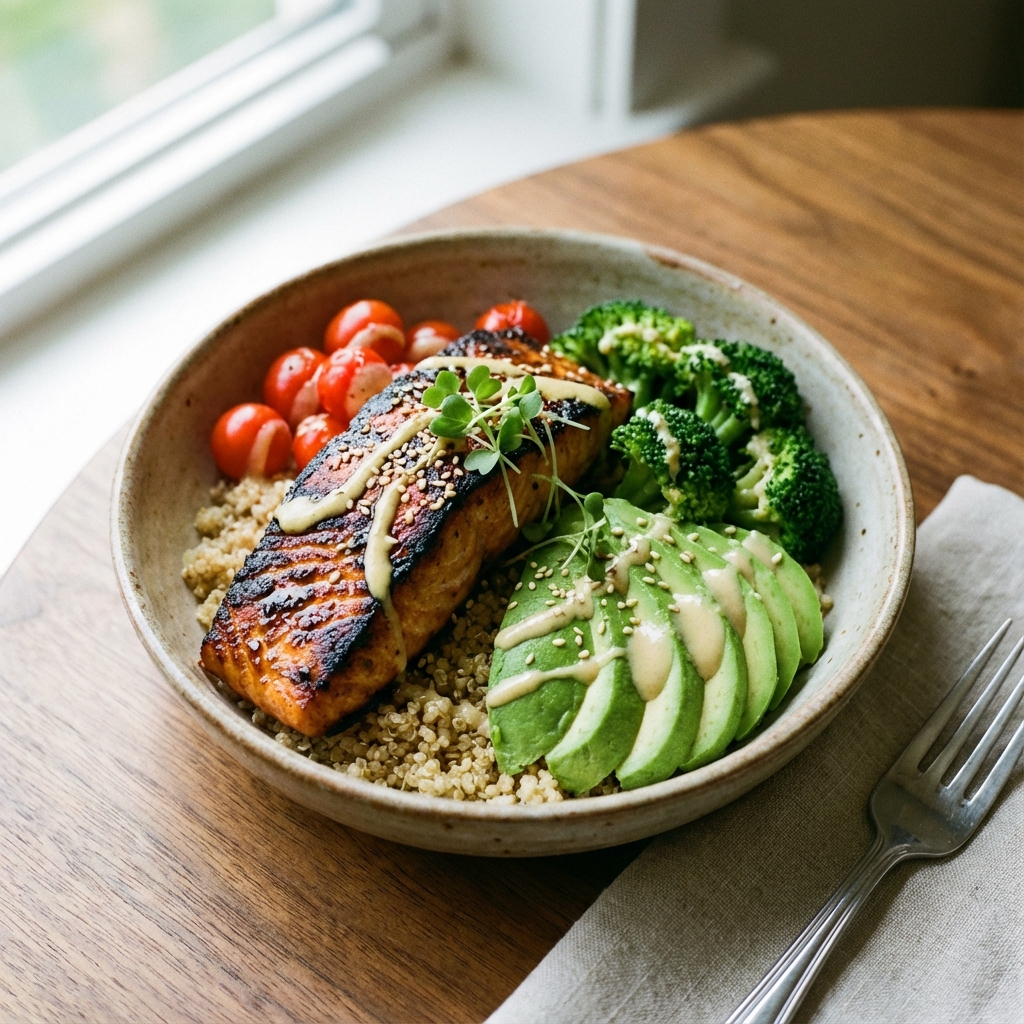
Protein planning is easier when each day has a few reliable anchors. Start with meals you already like, then adjust portions until the daily target feels reachable.
A good weekly plan does not need seven brand-new recipes. It needs enough structure that breakfast, lunch, dinner, and snacks have realistic protein options before the week gets busy.
Start with your target range
Use your MyFitLife profile targets as the planning anchor, then divide the day into meals you actually eat. If the target feels hard to picture, split it across two or three meals and one snack instead of trying to solve the whole day at dinner.
The goal is not perfect distribution. The goal is a plan that gives you enough chances to hit protein without forcing every meal to be the same.
Pick two protein anchors per day
Build around meals that carry most of the target, such as eggs and Greek yogurt at breakfast or chicken, fish, tofu, or beans at lunch and dinner.
Anchors work because they reduce decisions. Choose proteins that fit your budget, cooking style, and appetite. Then build the rest of the plate with fruits, vegetables, grains, beans, dairy, or healthy fats based on the meal you want.
Batch the flexible parts
Meal prep is more useful when components can be mixed and matched. Cook a protein, prepare one grain or starch, wash produce, and keep a sauce or seasoning ready. That gives you several meals without locking the week into one exact recipe.
- Cook one main protein for two or three meals.
- Keep one no-cook protein option available for busy days.
- Add a vegetable or fruit that is easy to repeat.
- Save the finished meal in MyFitLife if you expect to eat it again.
Use snacks to close small gaps
Keep simple options available for days that run short. A smoothie, cottage cheese, tuna packet, or protein-forward leftovers can prevent late-day scrambling.
Snacks should make the plan easier, not add more work. If your usual meals get you close, one reliable snack can close the last gap without changing breakfast, lunch, or dinner.
Build the grocery list from the plan
Once the meals are chosen, move ingredients into a grocery list and remove anything already in your pantry. This is where a protein plan becomes easier to follow: the right foods are available before hunger or schedule pressure makes the decision for you.
Review the week before changing the target
If you miss protein several days in a row, look for the repeated friction. Maybe breakfast has no anchor, lunch depends on takeout, or dinner portions are too small. Fix the easiest repeated problem first.
- Choose two daily protein anchors.
- Add one backup snack or no-cook option.
- Save repeat meals in MyFitLife.
- Build the grocery list from those meals.
- Review weekly consistency before making the plan more complex.
A high-protein week should feel repeatable. If the plan depends on perfect cooking, perfect shopping, or perfect timing, simplify it until it fits the week you actually have.
Sources and further reading
- Dietary Guidelines for Americans, 2025-2030 U.S. Department of Health and Human Services and USDA
- MyPlate U.S. Department of Agriculture
- Nutrient Recommendations and Databases NIH Office of Dietary Supplements
Related articles
- Best Food Logging App for Weight Loss: What to Look For
- How to Track Macros Without Overcomplicating Your Day
- Meal Planning With a Grocery List: A Simple Weekly System
Take your nutrition with you.
Log food, track progress, and meet your goals anywhere.